
Real Buildings. Real Investigations. Clearer Answers.
Case studies show the concern, relevant evidence, diagnosis and recommended next step. We only publish case details and imagery that can be supported by the project record.
Real Buildings. Real Investigations. Clearer Answers.
Each case study is being developed from the project record: the concern, previous advice or works, investigation, evidence, diagnosis, recommendation and outcome. Details are added only where they can be supported.
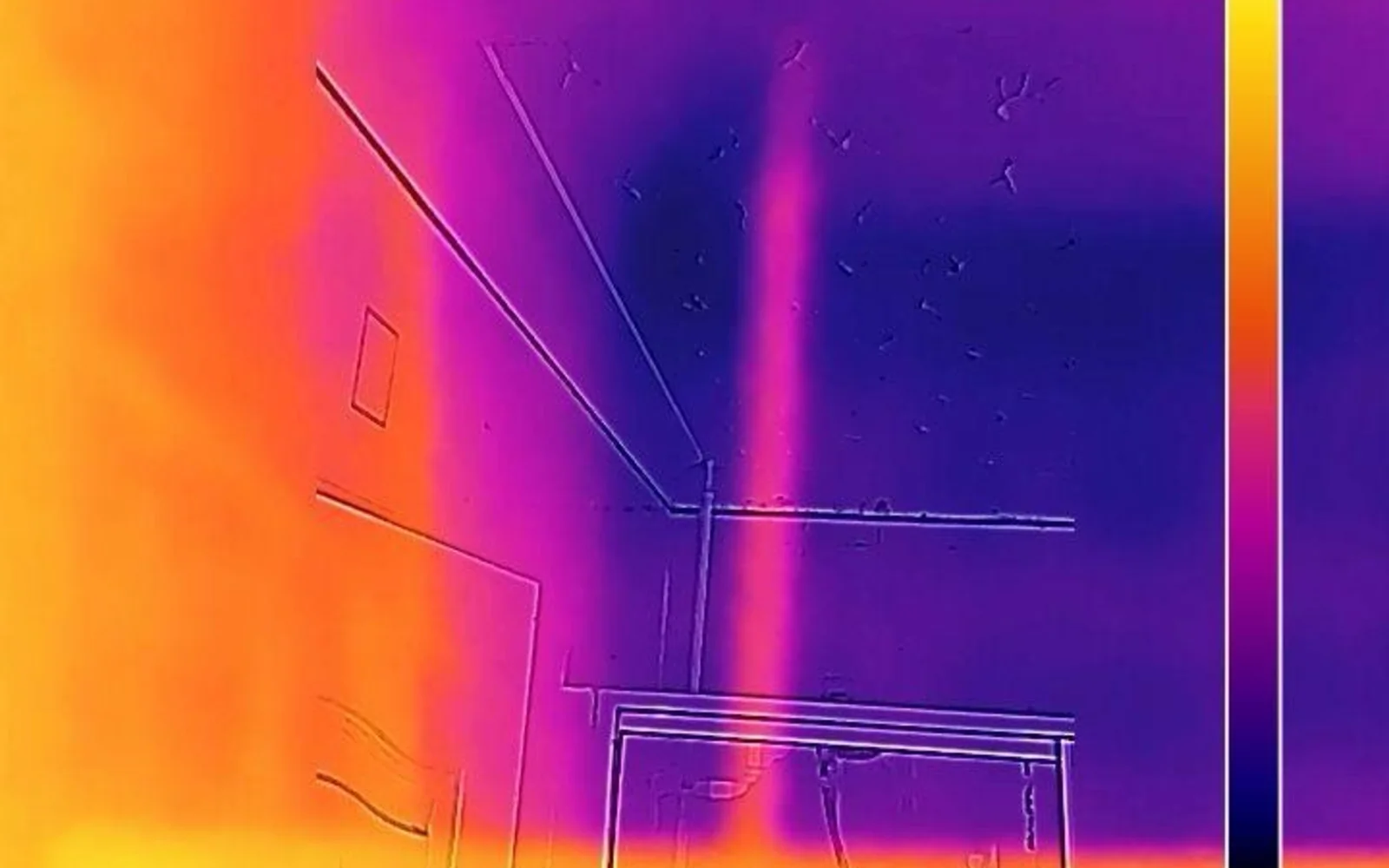
Grade II listed terrace — external moisture, not rising damp
A mid-19th century listed property where previous contractors had proposed chemical damp proofing and internal tanking. The investigation reviewed the age and permeability of the building fabric, the external ground and rainwater context, and the pattern of moisture internally. The evidence pointed to external water management failures and lateral ingress, not rising damp. We recommended a source-first strategy focused on drainage and external detailing rather than internal barriers that could trap moisture and damage the historic fabric.
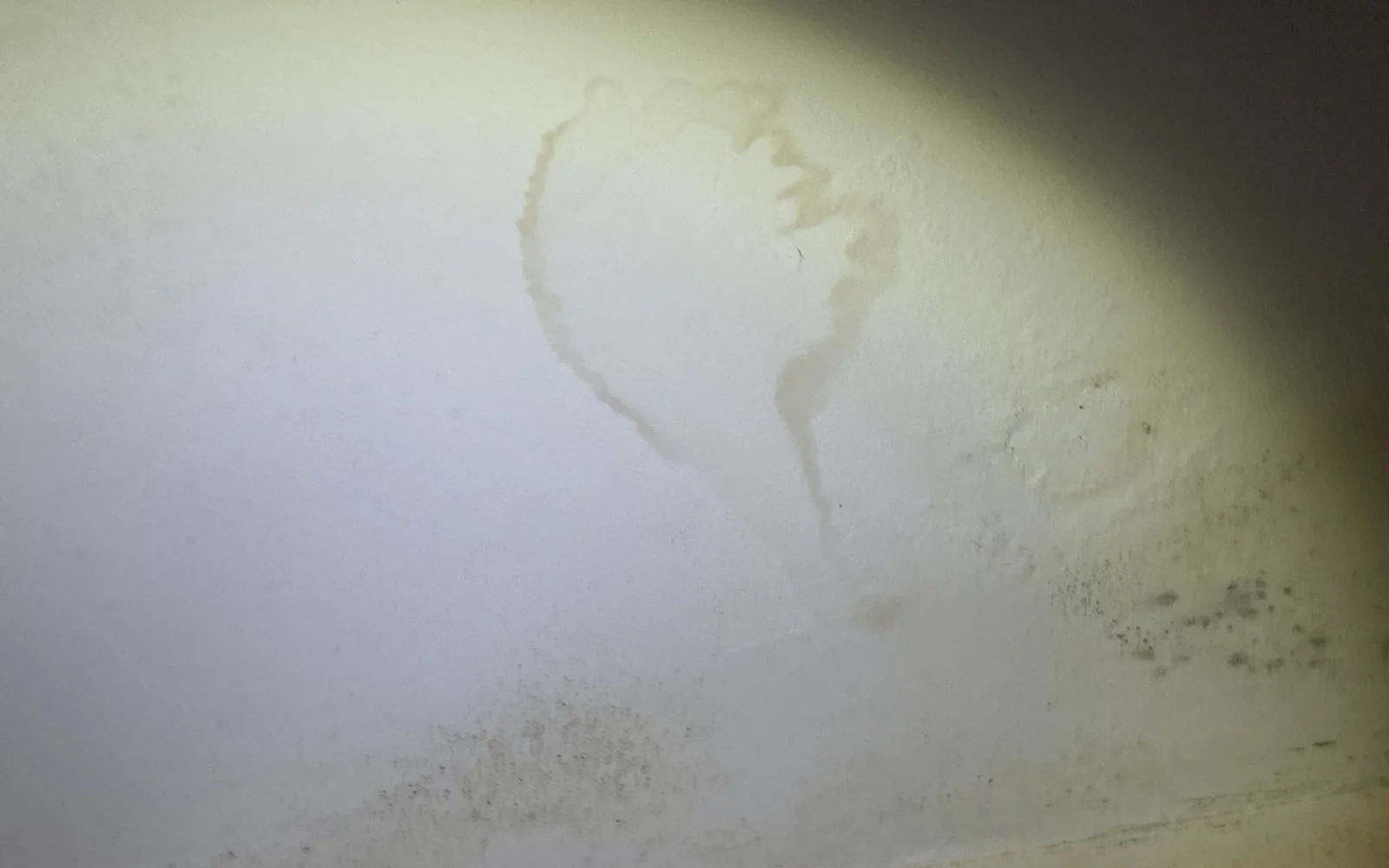
Escape of water in converted factory flat
Visible floor distortion, fungal growth at the bathroom doorway, and ceiling staining in the property below suggested a wider moisture pathway than surface staining alone. The investigation traced the issue to a concealed leak behind the WC installation within a service void. Moisture had migrated laterally through the floor structure and vertically downwards, explaining the spread of damage and the symptoms in the property below. We provided a staged remedial plan covering leak repair, controlled drying, affected materials and reinstatement.
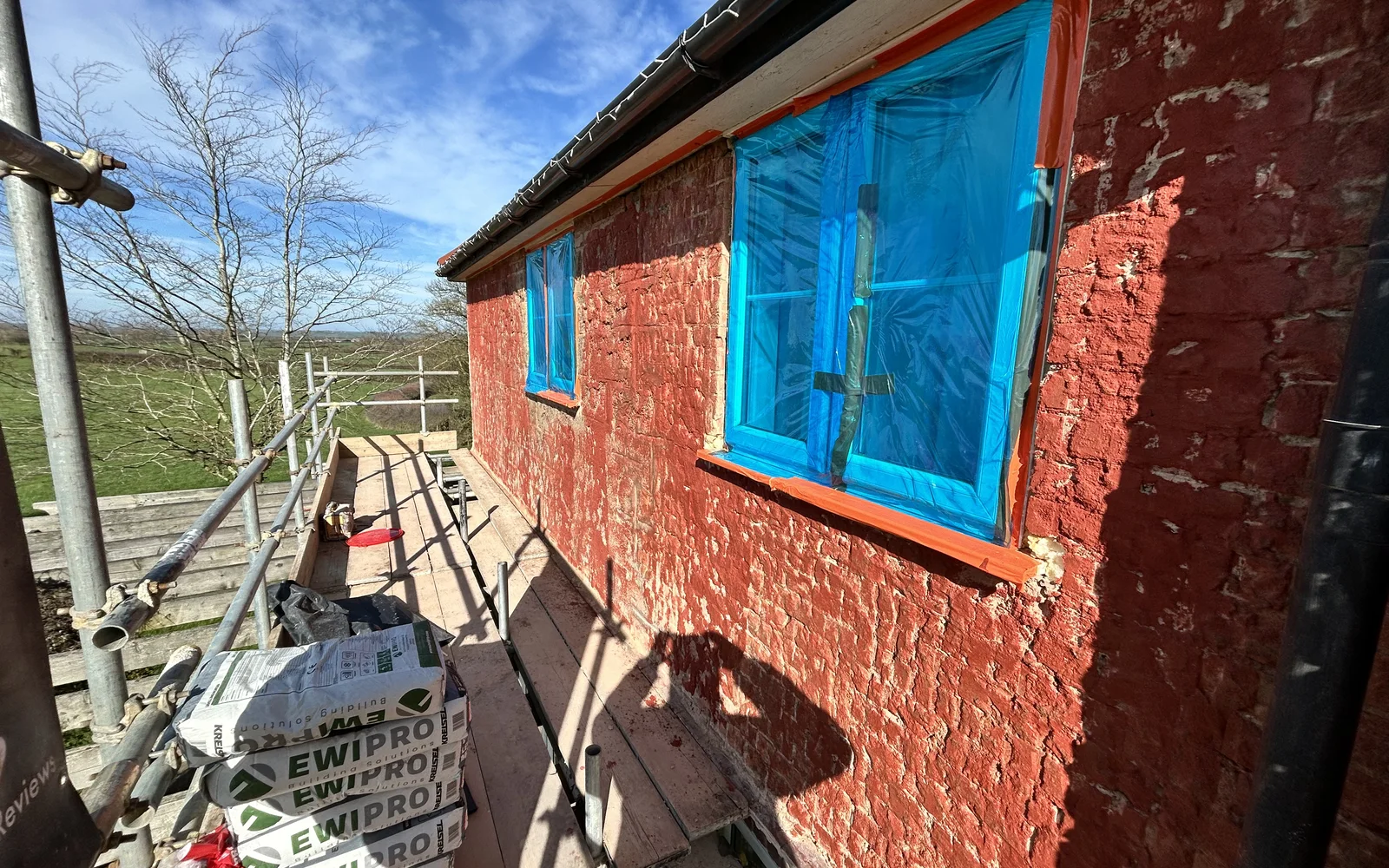
Listed barn conversion — no active dampness confirmed
A Grade II listed agricultural barn conversion had been flagged for suspected dampness and timber deterioration in a prior RICS Level 3 survey. Our investigation considered the traditional vapour-permeable construction, ventilation context, meter readings and visible fabric condition. The evidence did not support active moisture defects; the readings were consistent with the behaviour of the original construction. We recommended ongoing monitoring and conservation-aligned maintenance rather than unnecessary damp treatment.
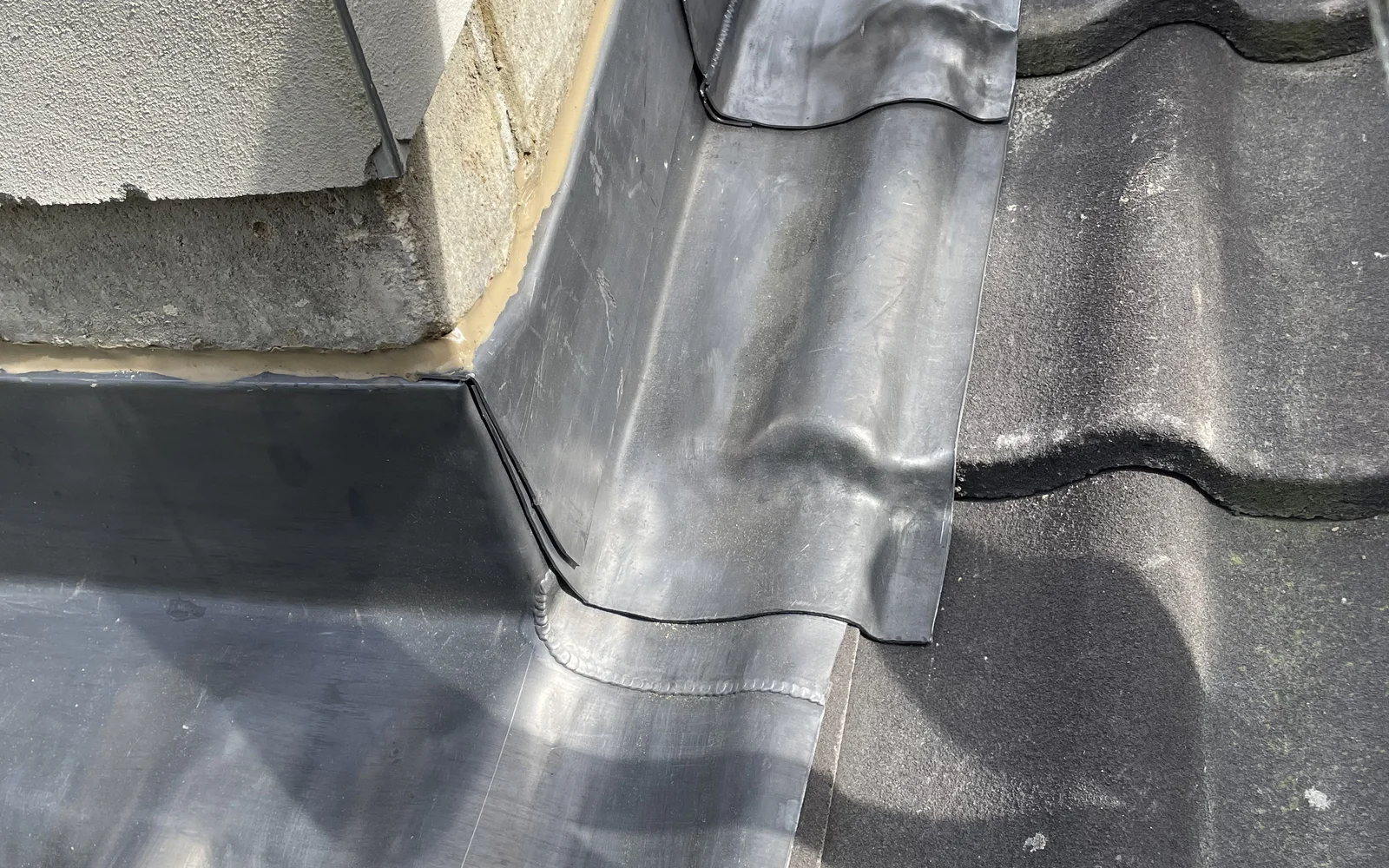
Second opinion overturns recommended damp treatment
A homeowner had been quoted for chemical damp proofing and membrane installation by a treatment company. Our independent survey compared the internal moisture pattern with external defects, drainage, junction detailing and rainwater exposure. The findings showed the primary source was external defect and rainwater ingress, not rising damp. By addressing the external drainage and junction detailing, the moisture issue could be resolved without unnecessary internal treatment or disruption.
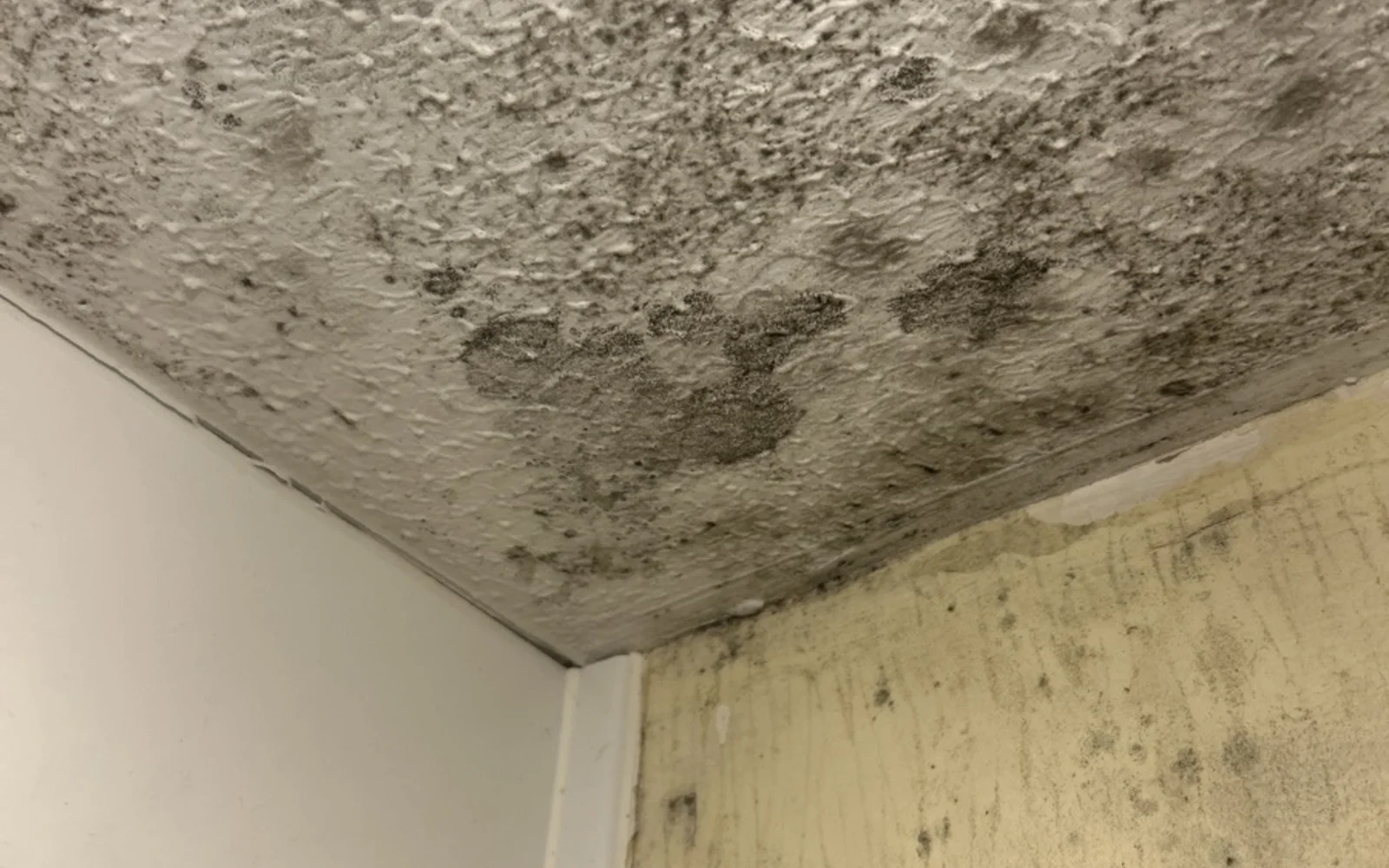
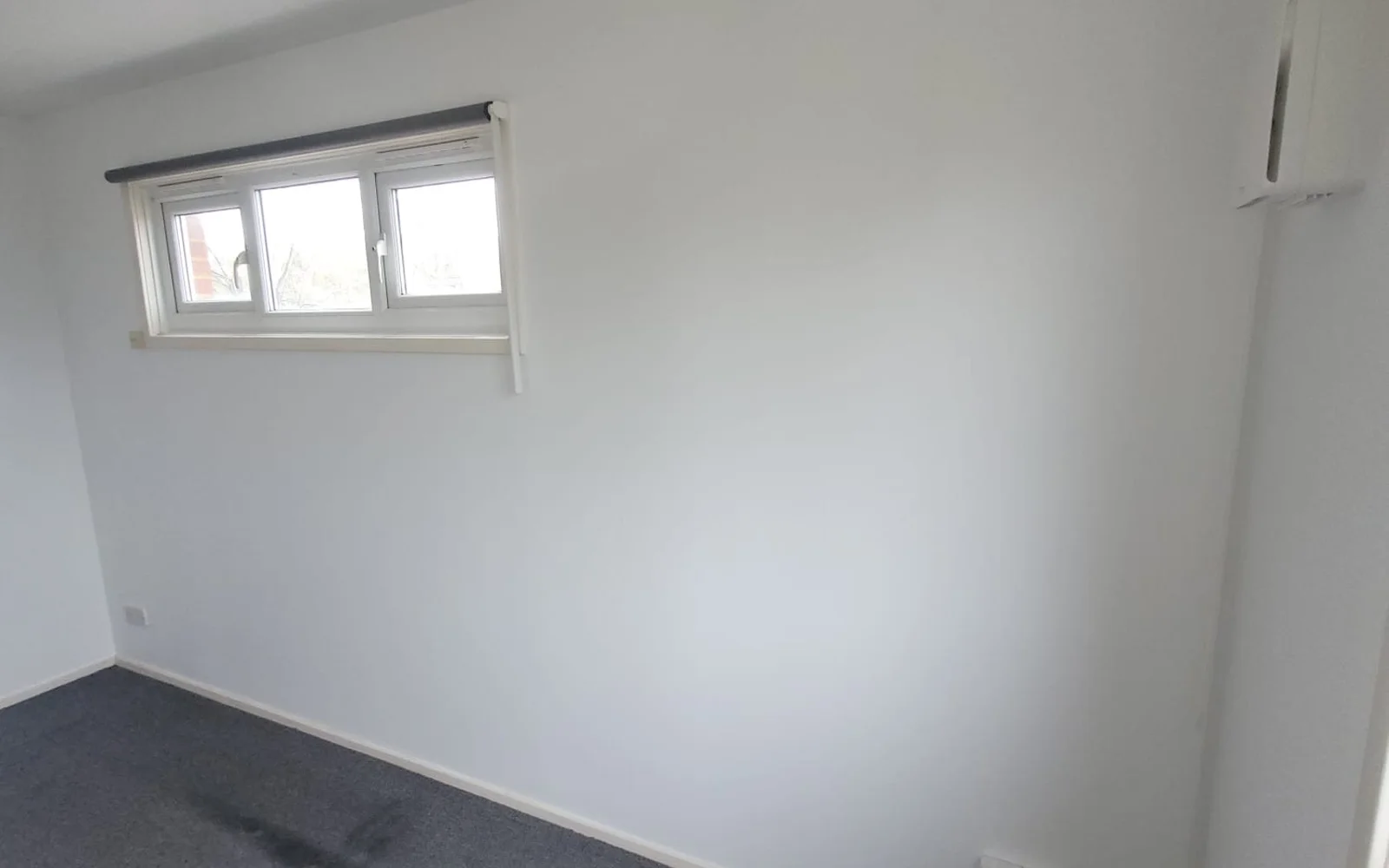
Repeated mould complaint traced to ventilation failure
A landlord was facing repeated mould complaints after previous contractors had treated the mould cosmetically without identifying the cause. The assessment considered occupancy moisture load, ventilation provision, surface temperature risk, humidity behaviour and visible mould distribution. The evidence showed the issue was driven by inadequate ventilation and excess humidity rather than a primary building defect. We provided a ventilation strategy and monitoring plan so the cause could be controlled instead of repeatedly cleaning the symptom.
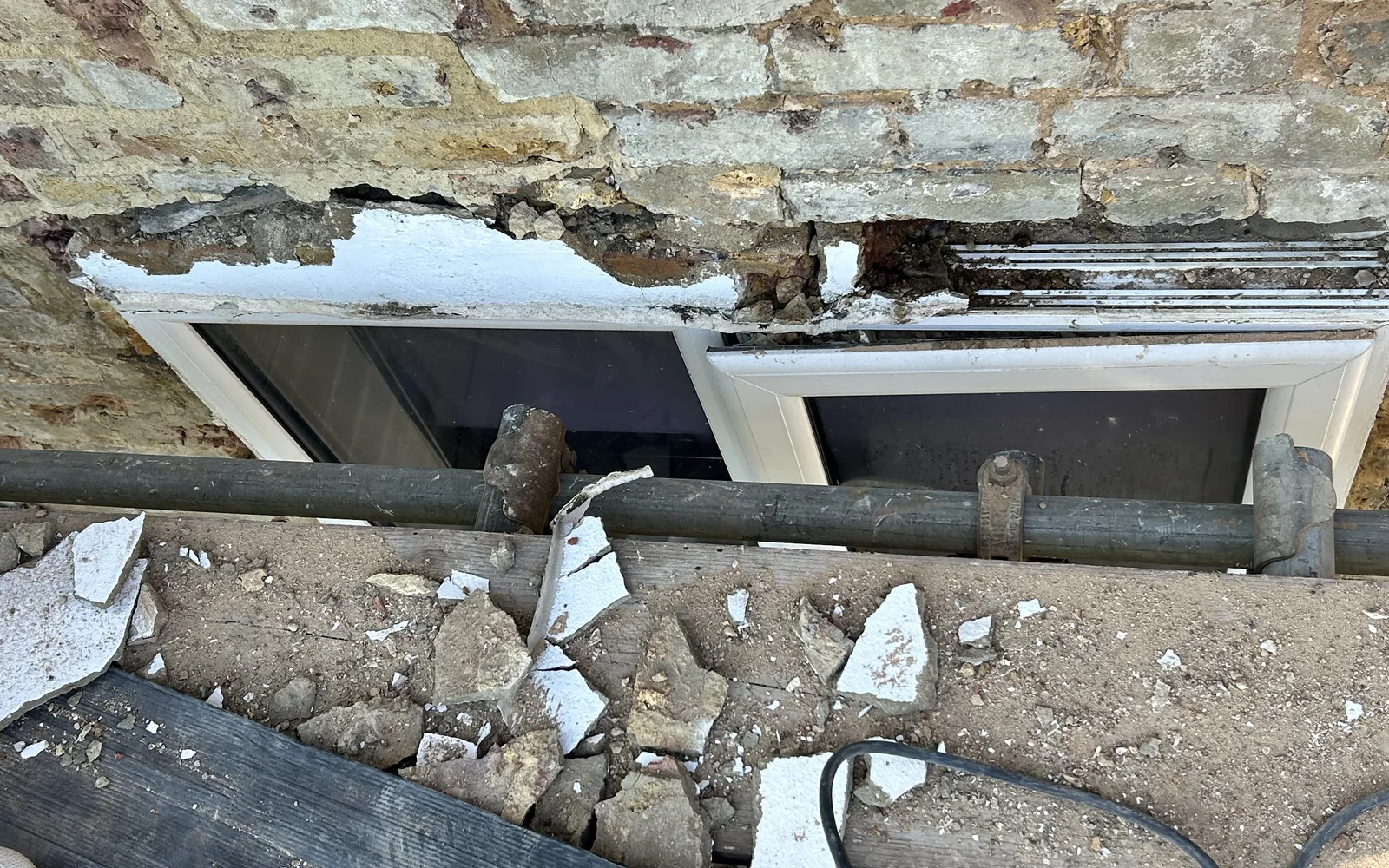
Remedial specification for complex basement moisture
A property had complex below-ground moisture issues and multiple contractors had given conflicting advice. The BS 8102-aligned investigation reviewed moisture pathways, below-ground risk, construction interfaces and the limitations of previous recommendations. We separated immediate control measures from longer-term specification decisions and provided a clear, prioritised remedial strategy. The client could then instruct the right specialist works with confidence instead of relying on guesswork.
Need a proper investigation before more works are agreed?
If the problem has been lingering, misdiagnosed or repeatedly treated without success, start with a specialist damp and moisture investigation that explains the cause before recommending the next stage.
